COMPOUNDED GLP-1 MEDICATIONS
Compounded GLP-1 Medications: What They Are and Aren't
Compounded semaglutide and tirzepatide are prepared by compounding pharmacies and are not FDA-approved alternatives to Ozempic, Wegovy, Mounjaro, or Zepbound. Understanding the differences (and the risks) is important before making any prescribing or purchasing decision.

What Are Compounded GLP-1 Medications?
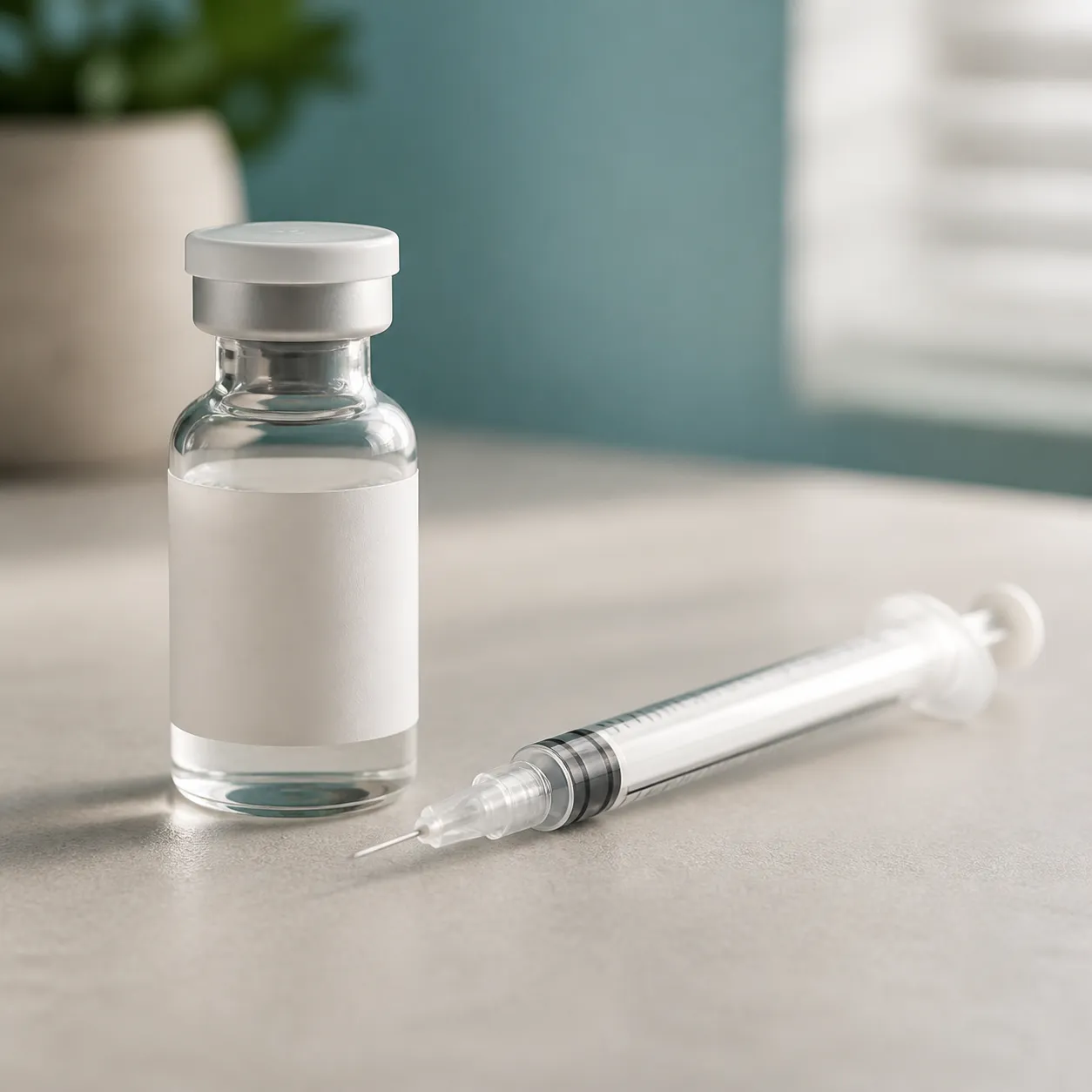
Compounded medications are preparations made by licensed compounding pharmacies (either 503A (patient-specific) or 503B (outsourcing facilities)) using active pharmaceutical ingredients (APIs). Compounded semaglutide and compounded tirzepatide are prepared from these bulk APIs and are intended to mimic the active ingredient found in brand-name GLP-1 medications.
Compounded GLP-1 preparations are not the same as FDA-approved medications. They have not gone through the full FDA new drug approval process, which requires clinical trials demonstrating safety and efficacy, manufacturing consistency testing, and labeling review. The brand-name products (Ozempic, Wegovy, Mounjaro, and Zepbound) have all completed this process. Compounded versions have not.
Compounded semaglutide is not a generic version of Ozempic or Wegovy. Compounded tirzepatide is not a generic version of Mounjaro or Zepbound. Under US law, an FDA-approved generic must go through an abbreviated new drug application (ANDA) process demonstrating bioequivalence. No such approval has been granted for compounded GLP-1 preparations.
When Were Compounded GLP-1s Allowed?
During periods when FDA-approved GLP-1 medications were placed on the FDA drug shortage list (which occurred at various points due to high demand) federal law permitted licensed compounding pharmacies to prepare compounded versions of those drugs. This is a limited legal exception, not a permanent approval.
The FDA drug shortage status for semaglutide and tirzepatide has changed over time. As shortages have been resolved, the FDA has clarified that the conditions permitting widespread compounding of these drugs no longer apply. The regulatory status of compounded GLP-1 products is therefore dynamic, and the legality of compounding a specific drug is tied to whether that drug is currently on the FDA shortage list.
If you are considering a program that offers compounded GLP-1 medications, you should ask the provider to confirm the current legal basis for compounding that specific drug, and verify this against current FDA shortage list status.
FDA Warnings About Compounded GLP-1 Products
The FDA has issued multiple public warnings regarding compounded GLP-1 products. Key concerns include:
- Dosing errors: Compounded products have been associated with medication errors, including dosing that differs significantly from the intended amount: leading to both underdosing and overdosing.
- Counterfeit risk: Some products marketed as compounded semaglutide or tirzepatide have been found to contain incorrect or unverified ingredients.
- Inconsistent potency: Without FDA oversight of manufacturing, batch-to-batch consistency is not guaranteed.
- Illegal marketing: The FDA has warned 30 telehealth companies against illegally marketing compounded GLP-1 medications, citing unapproved drug claims and misleading advertising.
- "Research use only" products: Products labeled "for research use only" are not intended for human use and pose serious health risks if injected.
Key Differences: Compounded vs. Brand-Name GLP-1 Medications
| Feature | Brand-Name (Wegovy, Zepbound, etc.) | Compounded Semaglutide / Tirzepatide |
|---|---|---|
| FDA Approval | Yes, full NDA approval | No, not individually FDA-approved |
| Manufacturing Oversight | FDA-regulated manufacturing | Licensed pharmacy oversight only |
| Clinical Trial Data | Required for approval | Not required |
| Potency Consistency | Required by FDA standards | Not independently verified |
| Requires Prescription | Yes, always | Yes, always (from licensed clinician) |
| Typical Cost | $1,000–$1,450+/month list price | Often lower: varies widely |
What to Ask a Provider Before Accepting a Compounded GLP-1
If a telehealth provider offers you a compounded GLP-1 medication, there are specific questions you should ask before proceeding:
- Is this specific drug currently on the FDA shortage list?
- Which licensed compounding pharmacy prepares this medication, and what is their PCAB or 503B accreditation status?
- What is the exact formulation: active ingredient, dose, excipients, and delivery method?
- Has the pharmacy conducted independent third-party testing of this batch for potency and sterility?
- What is the legal basis for prescribing and dispensing this compounded drug at this time?
- What is the process if you experience an adverse reaction?
A legitimate, licensed provider should be able to answer all of these questions clearly. Vague or evasive answers to any of them are a warning sign. For the dosing questions that tend to come up with compounded vials, from microdosing to stopping treatment, see our GLP-1 guides.
Frequently Asked Questions
It depends on the current FDA shortage status of the specific drug. During periods when a GLP-1 medication is listed on the FDA's drug shortage list, licensed compounding pharmacies may legally prepare compounded versions under specific federal provisions. When a drug is removed from the shortage list, those provisions no longer apply. The legal status of compounded GLP-1 products has been in flux: always verify current status with the FDA shortage list and with your provider before proceeding.
Compounded GLP-1 products carry risks that are different from FDA-approved GLP-1 medications. The FDA has flagged concerns including dosing errors, counterfeit products, inconsistent potency, and illegal marketing. This does not mean all compounded products from licensed, accredited pharmacies are unsafe, but it does mean the risk profile is different. The FDA has not approved compounded GLP-1 preparations for safety or efficacy. Talk with a licensed clinician about the specific risks before using any compounded product.
No. Compounded GLP-1 preparations (including compounded semaglutide and compounded tirzepatide) are not FDA-approved. FDA approval requires a full new drug application (NDA) demonstrating safety, efficacy, and manufacturing consistency through clinical trials. Compounded versions have not undergone this process. They are not generics, and they are not equivalent to their brand-name counterparts under federal law.
Brand-name GLP-1 medications like Wegovy and Zepbound have been through the full FDA approval process, which includes clinical trials in tens of thousands of patients, manufacturing oversight, and standardized dosing devices. Compounded versions are prepared by individual pharmacies from bulk APIs, have not been individually approved for safety or efficacy, and are not subject to the same manufacturing oversight. They may differ in formulation, delivery device, and potency from the brand-name product.
COMPARE LICENSED PROGRAMS
Find Programs Offering FDA-Approved GLP-1 Medications
Our comparison guide covers licensed telehealth providers offering FDA-approved GLP-1 medications with real clinician evaluations. No guaranteed approvals, no unapproved shortcuts.
We may earn a referral fee if you complete a consultation through a partner link on this site. This is not medical advice. Talk with a licensed clinician.