MOUNJARO (TIRZEPATIDE)
Mounjaro: Type 2 Diabetes GLP-1 Guide
Mounjaro (tirzepatide) is a dual GIP and GLP-1 receptor agonist manufactured by Eli Lilly and FDA-approved for type 2 diabetes management, not for weight loss. This guide explains what Mounjaro is, how it differs from Zepbound, its off-label use for weight management, dosing, cost, and how to get a prescription legally.
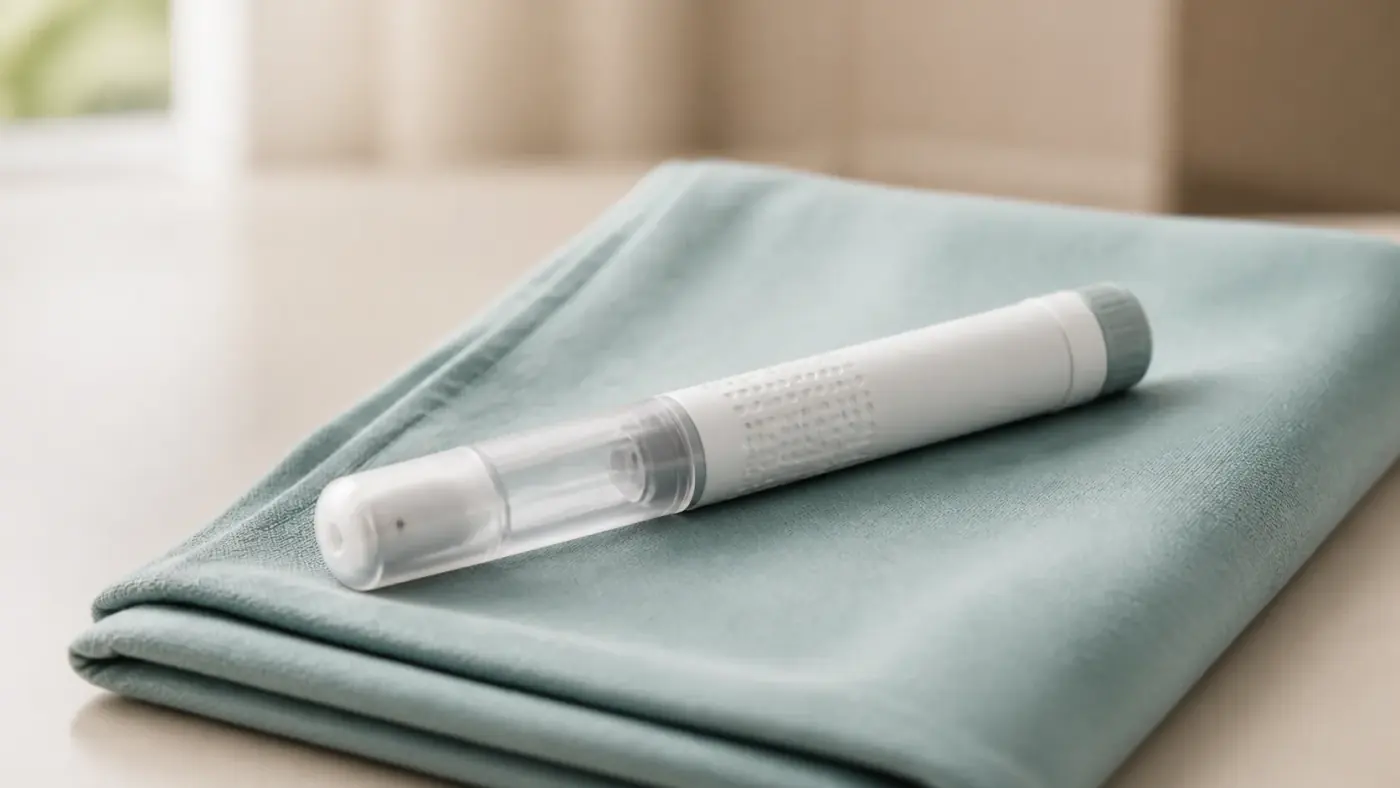
Important: Mounjaro is FDA-approved for type 2 diabetes, not for chronic weight management. Zepbound (same active ingredient, same doses) is the FDA-approved option for weight management. A licensed clinician may prescribe Mounjaro off-label for weight management; this is their clinical decision. This site does not advise on prescribing decisions.
What Is Mounjaro?
Mounjaro is a brand-name prescription medication manufactured by Eli Lilly. Its active ingredient is tirzepatide: a dual GIP (glucose-dependent insulinotropic polypeptide) and GLP-1 (glucagon-like peptide-1) receptor agonist. It is the first medication in the "twincretin" class. It activates two distinct incretin hormone receptor types rather than just one.
Mounjaro received FDA approval in May 2022 for the treatment of type 2 diabetes as an adjunct to diet and exercise to improve glycemic control in adults. It is the same active ingredient as Zepbound, but Zepbound received its separate FDA approval for chronic weight management in November 2023.
Mounjaro is a once-weekly subcutaneous injection available in doses of 2.5 mg, 5 mg, 7.5 mg, 10 mg, 12.5 mg, and 15 mg. The dose escalation schedule is designed to minimize gastrointestinal side effects during the titration period.
How Mounjaro Works: Dual GIP + GLP-1 Mechanism
Tirzepatide's dual mechanism is what distinguishes it from semaglutide-based GLP-1 medications like Ozempic and Wegovy:
- GLP-1 receptor activation: Stimulates insulin secretion, suppresses glucagon, slows gastric emptying, reduces appetite, and promotes satiety: the same effects as semaglutide.
- GIP receptor activation: GIP is the other major incretin hormone. Activating GIP receptors appears to enhance insulin secretion, improve insulin sensitivity, and may contribute to additional effects on fat metabolism and energy balance. The precise additive contribution of GIP agonism relative to GLP-1 agonism in producing the observed clinical effects is an area of ongoing research.
Together, these two mechanisms produce robust blood sugar control and, as a secondary effect, significant appetite suppression and weight loss, which led to Zepbound's separate approval for weight management.
Mounjaro Dosing Schedule
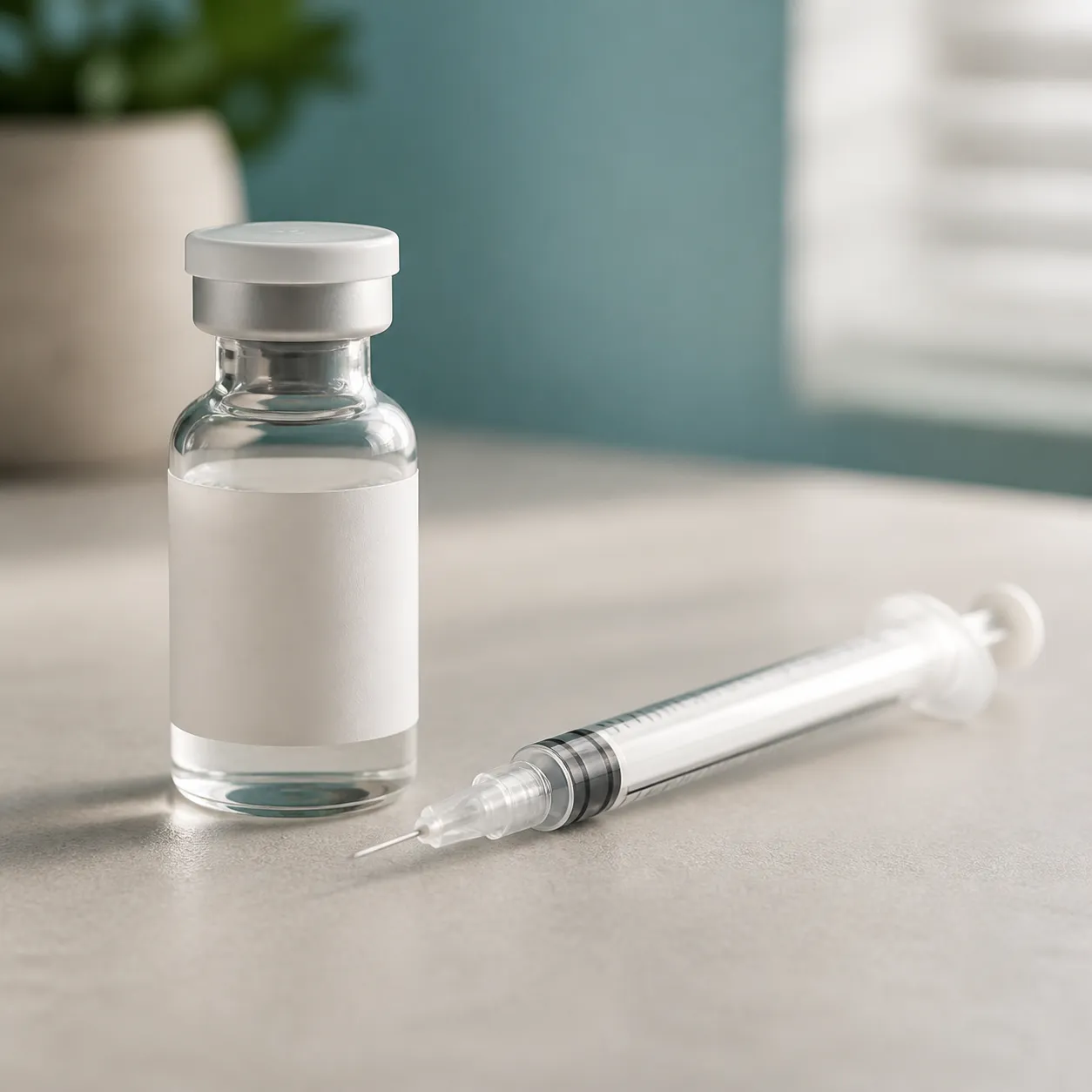
Mounjaro is given as a once-weekly subcutaneous injection. The starting dose is 2.5 mg weekly, increased by 2.5 mg every 4 weeks as tolerated. For diabetes management, the maximum dose is 15 mg weekly. Your clinician determines the appropriate dose and escalation schedule based on your clinical response and tolerability.
Mounjaro vs. Zepbound: Key Differences
Mounjaro and Zepbound contain the same active ingredient (tirzepatide) at the same doses. The difference is their FDA-approved indication:
| Feature | Mounjaro | Zepbound |
|---|---|---|
| Active Ingredient | Tirzepatide | Tirzepatide |
| FDA Approval | Type 2 diabetes | Chronic weight management |
| Approval Year | 2022 | 2023 |
| Insurance Coverage Likely | More consistent (diabetes) | Less consistent (weight mgmt) |
Patients with type 2 diabetes seeking GLP-1 treatment may find Mounjaro on-label for their situation. Patients without diabetes seeking weight management treatment should discuss Zepbound with their clinician. See our Zepbound guide for comparison.
Off-Label Use for Weight Management
Mounjaro has been prescribed off-label for weight management because tirzepatide produces significant weight loss: the same results that led to Zepbound's weight management approval. Clinicians may prescribe Mounjaro off-label for weight management in certain patients, particularly those with type 2 diabetes where both glycemic control and weight management are therapeutic goals.
This is a clinical decision. Off-label prescribing is legal and common in medicine. Whether Mounjaro or Zepbound is prescribed is a decision made by a licensed clinician based on your medical situation, insurance coverage, and clinical factors, not a recommendation this site makes.
Mounjaro Cost and Insurance
Mounjaro's approximate list price is $1,000–$1,100 per month without insurance or savings programs. Insurance coverage for Mounjaro is generally more accessible than for Zepbound when prescribed for type 2 diabetes, as diabetes medications are more commonly covered. Eli Lilly offers a savings program for eligible commercially insured patients: verify current terms directly with Lilly.
See our Mounjaro cost guide and full GLP-1 cost guide for details. Always verify current pricing directly with the manufacturer or your pharmacy.
Frequently Asked Questions About Mounjaro
Mounjaro and Zepbound contain the same active ingredient (tirzepatide) at the same doses. The key difference is their FDA-approved indication: Mounjaro is approved for type 2 diabetes, while Zepbound is approved for chronic weight management. They are separate products from Eli Lilly, with different insurance coverage considerations. A licensed clinician determines which product to prescribe based on your medical situation.
Mounjaro is FDA-approved for type 2 diabetes, not for chronic weight management. The FDA-approved weight management product containing tirzepatide is Zepbound. Clinicians may prescribe Mounjaro off-label for weight management in some patients. This is their clinical decision. If you are seeking GLP-1 treatment specifically for weight management and do not have type 2 diabetes, ask your clinician about Zepbound.
Coverage for Mounjaro depends on your plan and the indication. When prescribed for type 2 diabetes (its FDA-approved use) it is more commonly covered by commercial insurance, though prior authorization is frequently required. If prescribed off-label for weight management, coverage is less predictable. Check your plan's formulary. See our insurance coverage guide.
Mounjaro's approximate list price is $1,000–$1,100 per month without insurance or savings programs. With coverage (more accessible for the diabetes indication) or an Eli Lilly savings program (for eligible commercially insured patients), out-of-pocket cost can be significantly lower. See our Mounjaro cost guide. Always verify current pricing with the manufacturer or your pharmacy.
GET STARTED
Access Mounjaro Through a Licensed Provider
Mounjaro requires a prescription from a licensed clinician. Compare telehealth programs with real clinical evaluations, no guaranteed approvals.
We may earn a referral fee if you complete a consultation through a partner link. This is not medical advice. Talk with a licensed clinician.